60997236 shipments sent
Choose client interface


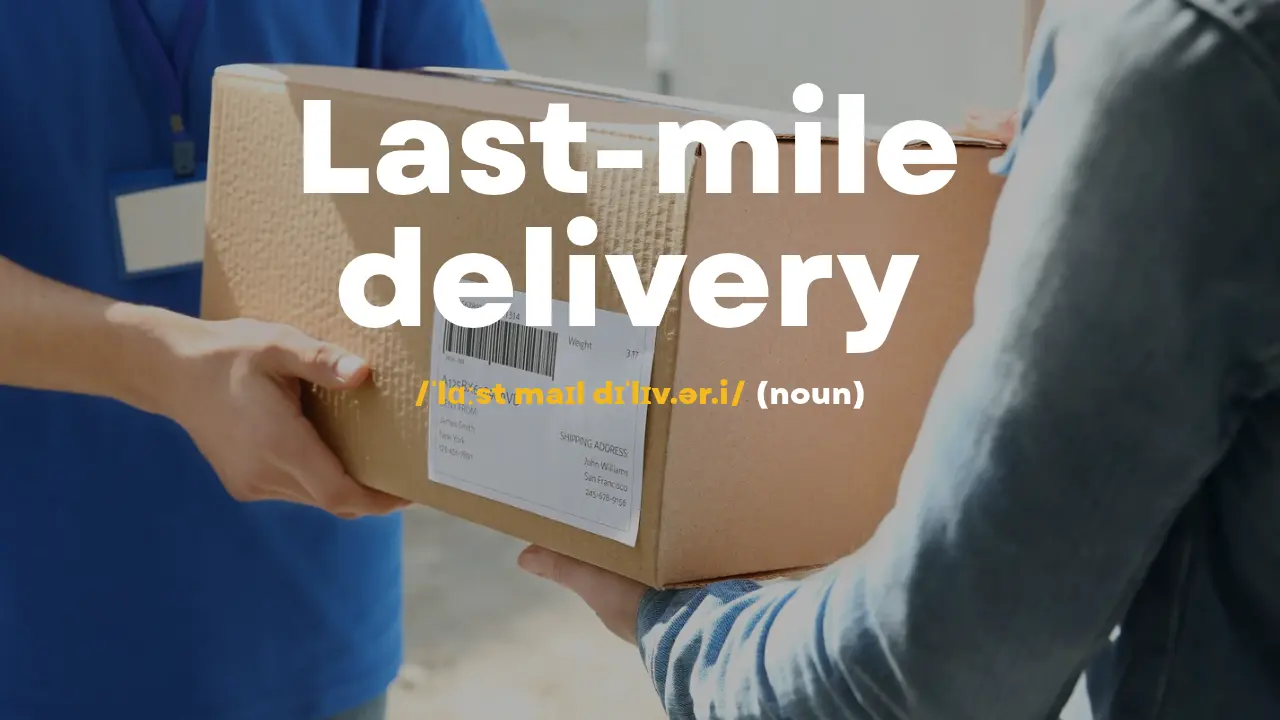
Last-mile delivery is the final stage of the shipping journey. After a parcel has completed the first-mile and middle-mile stages, it moves from a local courier hub or distribution center to the end customer.
While most shoppers never see how their parcel moves between fulfillment centers, sorting hubs and international line-haul routes, they directly experience the last mile through the courier, delivery method, tracking updates and the final handover. This makes last-mile delivery one of the stages with the strongest influence on the overall customer experience.
Briefly, last-mile delivery includes the following steps:
In the next section, we look at how the process works in practice, since the exact steps can vary by market, courier, delivery method and payment option.
In a typical cross-border shipment, the last-mile process begins once international transportation is complete and the parcel enters the local courier network. There, it is processed, sorted and prepared for final delivery.
The customer may receive tracking updates, an estimated delivery time and available delivery options. Depending on the selected service, the parcel can be delivered to the recipient’s address (Home delivery), or courier office, parcel locker, PUDO point or another out-of-home location (OOH).
For cash on delivery orders, the local courier also collects the payment from the customer. The collected amount is then linked to the corresponding order, reported and processed before being paid out to the online merchant.
Managing all these processes across several countries can become complex, as courier networks, payment practices and local preferences differ from market to market. euShipments.com brings local last-mile partners, delivery options, tracking and COD management into one logistics flow, helping online merchants manage their cross-border operations without coordinating separate processes in every country.
Cash on delivery (COD) through the euShipments.com network is currently available in 17 European markets. See more here.
For online merchants, last-mile performance can have a direct impact on day-to-day operations. Delays, unsuccessful delivery attempts, limited delivery choices or unclear order tracking can result in additional support cases, returned parcels and higher operational costs. When these issues happen repeatedly, they can also make it harder for an online business to scale efficiently across multiple markets.
In cross-border eCommerce, the challenge is even greater because every country has its own courier options, preferred delivery methods and payment habits. A model that works well in one market may not be equally effective in another, which is why online merchants need a more localized approach to the final stage of delivery.
The choice of courier is especially important because the last-mile partner is one of the few logistics providers the end customer interacts with directly. Customers are generally more comfortable receiving an order from a courier they already know and trust, particularly when the online store itself is new to the market. Reputation, familiarity and local customer confidence can therefore be just as important as coverage and operational capabilities.
This is also how euShipments.com selects its last-mile partners. We work with couriers that are established and trusted in their local markets, taking their service coverage and operational performance into account. Our network currently includes more than 60 last-mile courier partners and over 800 delivery methods across 27+ European countries.
For online businesses operating across several markets, this means access to locally relevant courier options without having to build and manage multiple partnerships in every country. Order tracking, cash on delivery and returns can also be managed within the same logistics ecosystem, helping reduce operational complexity as the business expands.
Delivery preferences often depend on customers’ lifestyles and daily schedules. While some shoppers prefer the convenience of home delivery, others value the freedom to collect their orders from a parcel locker, courier office or PUDO point at a time that suits them.
Offering a choice at checkout allows customers to select a delivery method that fits their individual needs rather than having to adjust their plans around a delivery.
Through the euShipments.com network, online merchants can combine home and out-of-home (OOH) delivery options, making flexibility an integral part of the shopping experience.
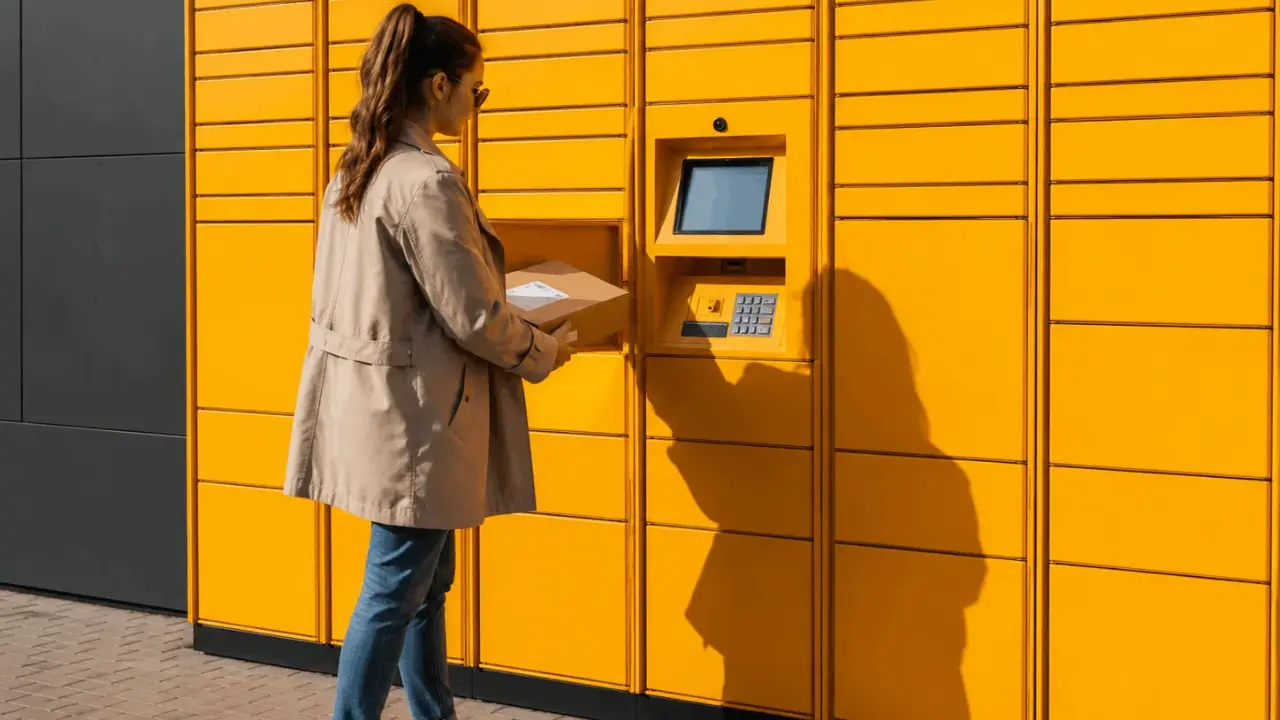
Speed matters, but it is only one part of a reliable last-mile process. A parcel can arrive quickly and still create problems if tracking updates are unclear, the customer has no convenient alternative to home delivery or the first delivery attempt fails.
A successful delivery also depends on visibility and flexibility. Clear tracking and timely notifications keep customers informed, while alternative delivery options and up-to-date parcel status help online merchants respond quickly to delays, redirections or failed delivery attempts. Together, these can reduce delivery problems and make the final stage more predictable for both the customer and the business.
It is important to say that the logistics journey does not always end when the parcel reaches the customer. If an order needs to be returned, the reverse process becomes another important part of the overall experience.
For online merchants, returns can add significant operational complexity, especially when selling across several countries. The customer needs a practical way to send the parcel back, while the business needs visibility over the return status and a clear process for receiving and processing the shipment.
A well-organized return flow therefore supports the same goal as the forward last mile: making the movement of the parcel easy to follow and manageable across different markets. Within the euShipments.com network, returns can be handled alongside the rest of the cross-border logistics flow rather than managed as a completely separate process.
If you’re an online merchant preparing to enter a new market, here are some key factors to review:
The right last-mile model depends on the market. For online merchants, the goal is not to apply the same structure everywhere, but to combine trusted local couriers, relevant delivery options and clear operational processes in a way that matches local customer habits.
As eCommerce businesses expand internationally, managing logistics across multiple countries requires greater coordination. The challenge is to maintain an efficient and consistent process without adding unnecessary operational complexity.
euShipments.com brings these processes into one connected logistics flow, helping eCommerce businesses adapt to local market needs, reduce the number of separate courier partnerships they need to manage and maintain better visibility over their cross-border deliveries as they scale.
To learn more about the earlier stages of the shipping journey, read our articles on first-mile and middle-mile delivery.